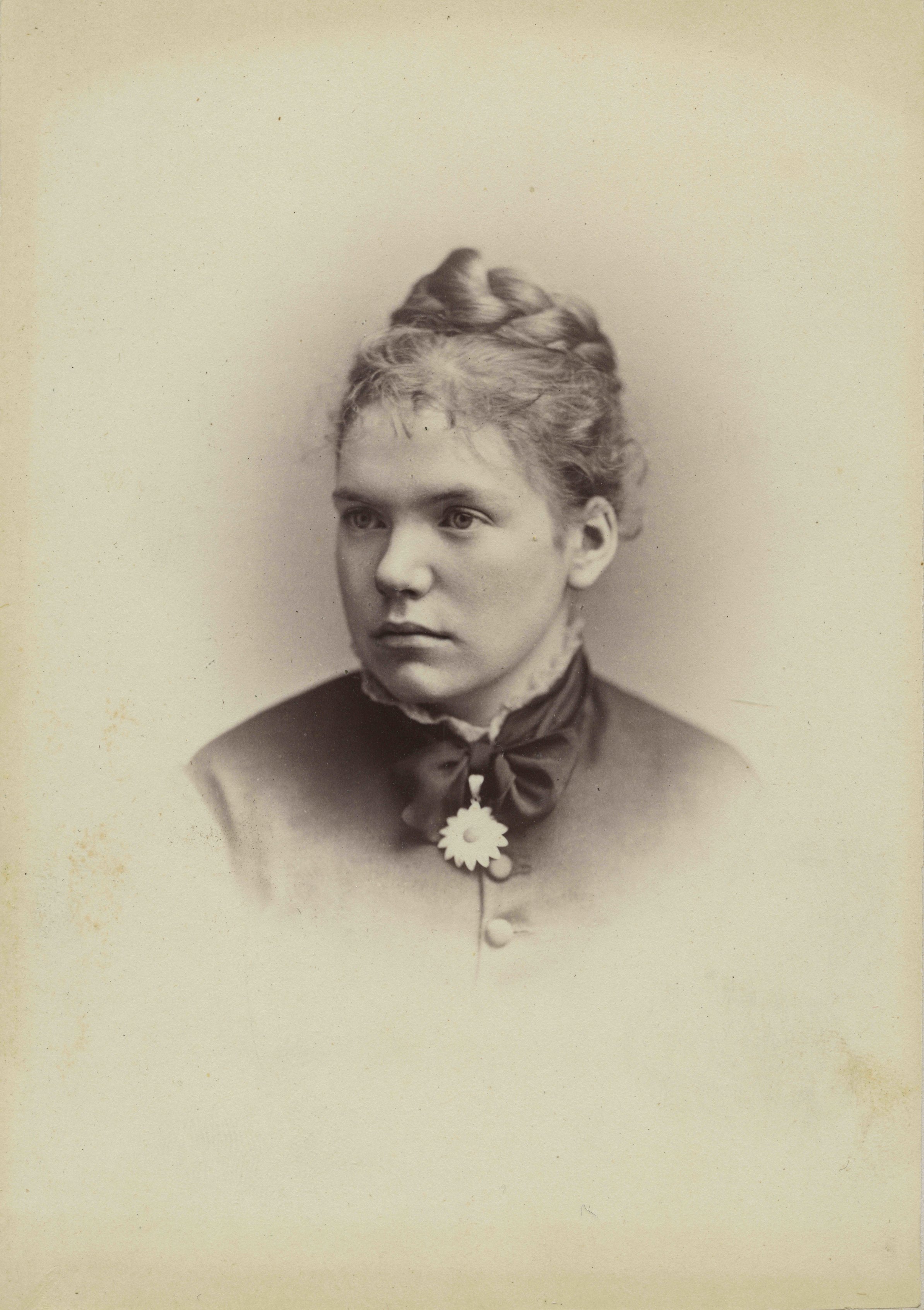
Even closer to home is the case of the Native North American baskets held in the Wheaton College Permanent Collection. In 1924, Wheaton College received a gift of 60 baskets from Dr. Eleanor Bridge Kilham. In a letter to the college dated November 5, 1924, Kilham wrote "The genuine old baskets are getting quite rare and are difficult to obtain. Many of the marks have been lost as I have had them in storage for ten years."22 Overall, Kilham's gift contained objects from more than 20 Native American tribes.23 In 2008, Professor Leah Niederstadt, Curator of the Permanent Collection, received a letter from The Hydaburg Cooperative Association, a federally recognized tribe on Prince of Wales Island in southeast Alaska. The letter requests inventory listings of "all human remains, associated and unassociated funerary objects, sacred objects, objects of cultural patrimony and digital images that you have on the Alaskan Haida."24 After receiving the request, Niederstadt responded that only two objects in the collection - a hat and wallet - had been identified as belonging to the broader Haida culture group; however, she then went on to explain that they had been purchased by Dr. Kilham in tourist shops in British Columbia.25 This meant, of course, that they were not NAGPRA eligible. Although Wheaton is a small institution with limited human and financial resources, the college initially complied with NAGPRA in a timely manner, and has since demonstrated proper NAGPRA compliance.

Haida Hat
Repatriation under NAGPRA is unique to the U.S., encompassing complex issues of religion, history, law, human rights, tribal identity, burial sites, and human remains, among others. As a whole, NAGPRA extends beyond the legal sphere, offering reflection on the use and abuse of heritage in American society. For many Native American tribes their cultural traditions and beliefs are some of the only aspects of their identity they control.26 Richard Hill, Tuscarora, and coordinator of the Indigenous Knowledge Center in Six Nations Territory in Canada, used to argue against NAGPRA, until he realized that NAGPRA's key actors: Congress, museums and scientific institutions; and Native communities, all hold different beliefs about what human remains have to offer. Once we stop forcing each other to compromise those beliefs and begin discussing and collaborating, only then can we move past the complications and challenges of NAGPRA. "[If] the end goal is about making this right. Don't take things that don't belong to you, apologize, and don't do it again. We can't rest in the injury of the past. We have to move forward and do the right thing."27 Ultimately Congress must strengthen and properly enforce NAGPRA, agencies must comply with the law, courts must uphold the will of Congress, and all of us must work to raise awareness and to insure that the future of NAGPRA enforcement is more effective and productive than the previous three decades have been.
1 Sangita Chari and Jamie M. N. Lavallee, Accomplishing NAGPRA: Perspectives on the Intent, Impact, and Future of the Native American Gravers Protection and Repatriation Act, First Peoples (n.p.: Oregon State University Press, 2013), [p. 265].
2 Sangita Chari and Jamie M. N. Lavallee, Accomplishing NAGPRA: Perspectives on the Intent, Impact, and Future of the Native American Gravers Protection and Repatriation Act, First Peoples (n.p.: Oregon State University Press, 2013), [p.10].
3 "Frequently Asked Questions," National NAGPRA, accessed February 25, 2017, https://www.nps.gov/nagpra/FAQ/INDEX.HTM#What_is_NAGPRA?.
4 Sangita Chari and Jamie M. N. Lavallee, Accomplishing NAGPRA: Perspectives on the Intent, Impact, and Future of the Native American Gravers Protection and Repatriation Act, First Peoples (n.p.: Oregon State University Press, 2013), [p. 8].
5 "Antiquities Act," National Park Service, last modified March 15, 2016, accessed March 25, 2017, https://www.nps.gov/archeology/sites/antiquities/about.htm.
6 "Frequently Asked Questions," National NAGPRA, accessed February 25, 2017, https://www.nps.gov/nagpra/FAQ/INDEX.HTM#What_is_NAGPRA?.
7 Sangita Chari and Jamie M. N. Lavallee, Accomplishing NAGPRA: Perspectives on the Intent, Impact, and Future of the Native American Gravers Protection and Repatriation Act, First Peoples (n.p.: Oregon State University Press, 2013), [p. 12].
8 Sangita Chari and Jamie M. N. Lavallee, Accomplishing NAGPRA: Perspectives on the Intent, Impact, and Future of the Native American Gravers Protection and Repatriation Act, First Peoples (n.p.: Oregon State University Press, 2013), [p. 89].
9 "Federal and State Recognized Tribes," National Conference of State Legislatures, last modified 2017, accessed March 22, 2017, http://www.ncsl.org/research/state-tribal-institute/list-of-federal-and-state-recognized-tribes.aspx.
10 Sangita Chari and Jamie M. N. Lavallee, Accomplishing NAGPRA: Perspectives on the Intent, Impact, and Future of the Native American Gravers Protection and Repatriation Act, First Peoples (n.p.: Oregon State University Press, 2013), [p. 28].
11 Sangita Chari and Jamie M. N. Lavallee, Accomplishing NAGPRA: Perspectives on the Intent, Impact, and Future of the Native American Gravers Protection and Repatriation Act, First Peoples (n.p.: Oregon State University Press, 2013), [p. 26].
12 Penelope Kelsey and Cari M. Carpenter, "'In the End, Our Message Weights': Blood Run, NAGPRA, and American Indian Identity," American Indian Quarterly 35, no. 1 (Winter 2011): [p.59], JSTOR.
13 Penelope Kelsey and Cari M. Carpenter, "'In the End, Our Message Weights': Blood Run, NAGPRA, and American Indian Identity," American Indian Quarterly 35, no. 1 (Winter 2011): [p.59], JSTOR.
14 Sangita Chari and Jamie M. N. Lavallee, Accomplishing NAGPRA: Perspectives on the Intent, Impact, and Future of the Native American Gravers Protection and Repatriation Act, First Peoples (n.p.: Oregon State University Press, 2013), [p. 21].
15 Julia A. Cryne, "NAGPRA Revisited: A Twenty-Year Review of Repatriation Efforts," American Indian Law Review 34, no. 1 (2009-2010): [p. 106], JSTOR.
16 Sangita Chari and Jamie M. N. Lavallee, Accomplishing NAGPRA: Perspectives on the Intent, Impact, and Future of the Native American Gravers Protection and Repatriation Act, First Peoples (n.p.: Oregon State University Press, 2013), [p. 89].
17 Frank Hopper, "Sale of Sacred Object Stopped By Museum and Native Leaders," Indian Country Media Network, last modified September 18, 2015, accessed March 20, 2017, https://indiancountrymedianetwork.com/history/events/sale-of-sacred-object-stopped-by-museum-and-native-leaders/.
18 Frank Hopper, "Sale of Sacred Object Stopped By Museum and Native Leaders," Indian Country Media Network, last modified September 18, 2015, accessed March 20, 2017, https://indiancountrymedianetwork.com/history/events/sale-of-sacred-object-stopped-by-museum-and-native-leaders/.
19 Frank Hopper, "Sale of Sacred Object Stopped By Museum and Native Leaders," Indian Country Media Network, last modified September 18, 2015, accessed March 20, 2017, https://indiancountrymedianetwork.com/history/events/sale-of-sacred-object-stopped-by-museum-and-native-leaders/.
20
21 Andrea Shea, "What A Native American Fish Hook's Journey Says About A Little-Known Repatriation Law," WBUR, last modified March 4, 2016, accessed February 25, 2017, http://www.wbur.org/artery/2016/03/04/what-a-sacred-native-american-hooks-journey-tells-us-about-a-little-known-repatriation-law.
22 Elizabeth Calil Zarur, Fiber and Feathers (Norton, MA: Wheaton College, n.d.), [p.3].
23 Elizabeth Calil Zarur, Fiber and Feathers (Norton, MA: Wheaton College, n.d.), [p.3].
24 Letter by Sid Edenshaw, September 11, 2008, Hydaburg Cooperative Association.
25 Letter by Leah Niederstadt, n.d., Wheaton College Permanent Collection, Wheaton College.
26 Sangita Chari and Jamie M. N. Lavallee, Accomplishing NAGPRA: Perspectives on the Intent, Impact, and Future of the Native American Gravers Protection and Repatriation Act, First Peoples (n.p.: Oregon State University Press, 2013), [p. 84].
27 Sangita Chari and Jamie M. N. Lavallee, Accomplishing NAGPRA: Perspectives on the Intent, Impact, and Future of the Native American Gravers Protection and Repatriation Act, First Peoples (n.p.: Oregon State University Press, 2013), [p. 228].
Works Cited
"Antiquities Act." National Park Service. Last modified March 15, 2016. Accessed March 25, 2017. https://www.nps.gov/archeology/sites/antiquities/about.htm.
Chari, Sangita, and Jamie M. N. Lavallee. Accomplishing NAGPRA: Perspectives on the Intent, Impact, and Future of the Native American Gravers Protection and Repatriation Act. First Peoples. N.p.: Oregon State University Press, 2013.
Cryne, Julia A. "NAGPRA Revisited: A Twenty-Year Review of Repatriation Efforts." American Indian Law Review 34, no. 1 (2009-2010): 99-122. JSTOR.
Edenshaw, Sid. Letter, September 11, 2008. Hydaburg Cooperative Association.
Eleanor Bridge Kilham Class of 1876. Photograph. Wheaton College Archives,
Norton, MA.
"Federal and State Recognized Tribes." National Conference of State Legislatures. Last modified 2017. Accessed March 22, 2017. http://www.ncsl.org/research/state-tribal-institute/list-of-federal-and-state-recognized-tribes.aspx.
"Frequently Asked Questions." National NAGPRA. Accessed February 25, 2017.https://www.nps.gov/nagpra/FAQ/INDEX.HTM#What_is_NAGPRA?
Haida Hat. Photograph. Wheaton College Permanent Collection, Norton, MA.
Halibut Hook. 2016. Photograph. Peabody Essex Museum, Salem, MA.
Hopper, Frank. "Sale of Sacred Object Stopped By Museum and Native Leaders." Indian Country Media Network. Last modified September 18, 2015. Accessed March 20, 2017. https://indiancountrymedianetwork.com/history/events/sale-of-sacred-object-stopped-by-museum-and-native-leaders/.
Kelsey, Penelope, and Cari M. Carpenter. "'In the End, Our Message Weights”: Blood Run, NAGPRA, and American Indian Identity." American Indian Quarterly 35, no. 1 (Winter 2011): 56-74. JSTOR.
Niederstadt, Leah. Fax, n.d. Wheaton College Permanent Collection. Wheaton College.
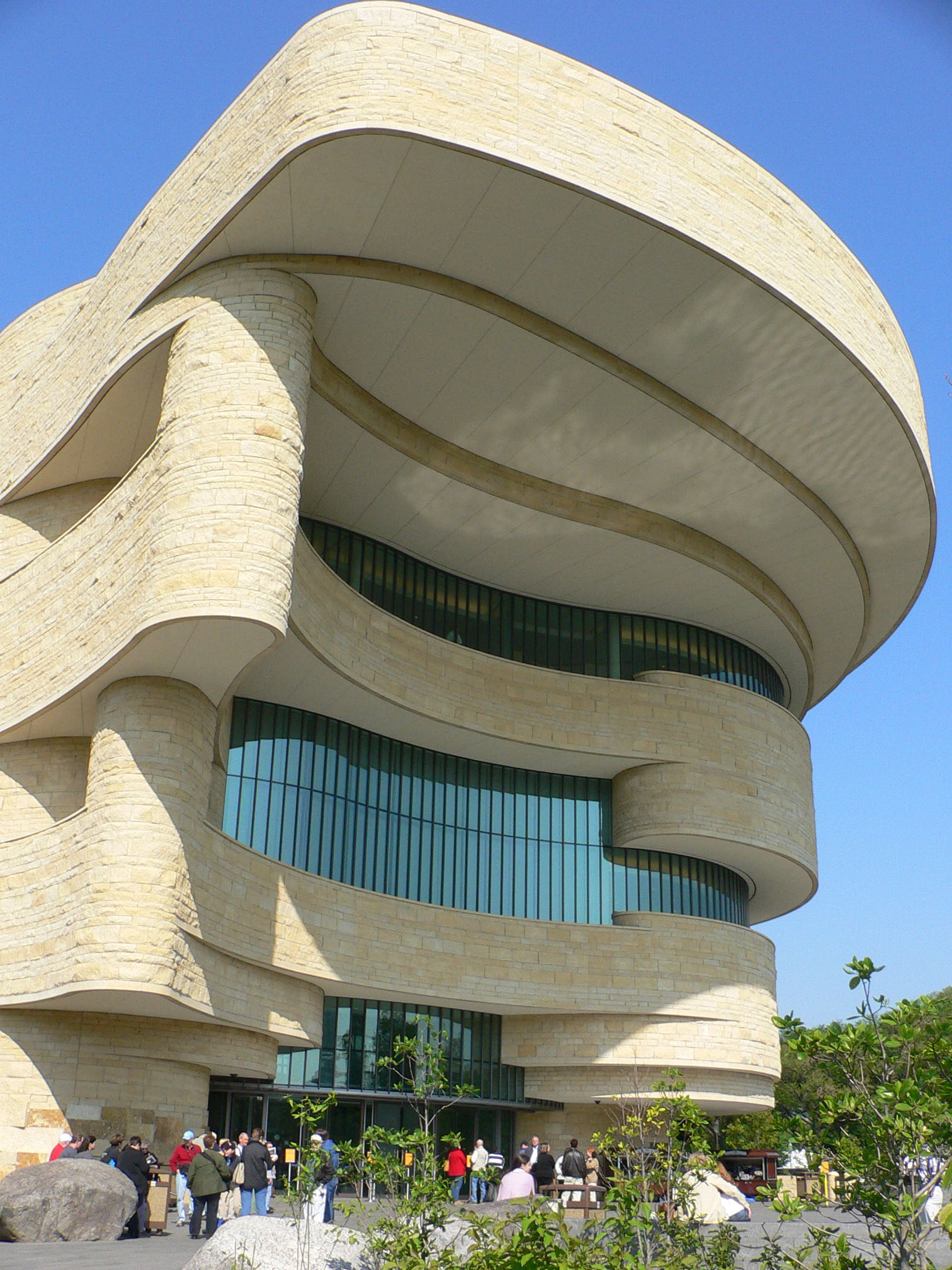
Raulbot. National Museum of the American Indian. 2005. Photograph.
Shea, Andrea. "What A Native American Fish Hook's Journey Says About A Little-Known Repatriation Law." WBUR. Last modified March 4, 2016. Accessed February 25, 2017. http://www.wbur.org/artery/2016/03/04/what-a-sacred-native-american-hooks-journey-tells-us-about-a-little-known-repatriation-law.
Zarur, Elizabeth Calil. Fiber and Feathers. Norton, MA: Wheaton College, n.d.